Wisdom Teeth Removal for Impacted Molars: Key Facts
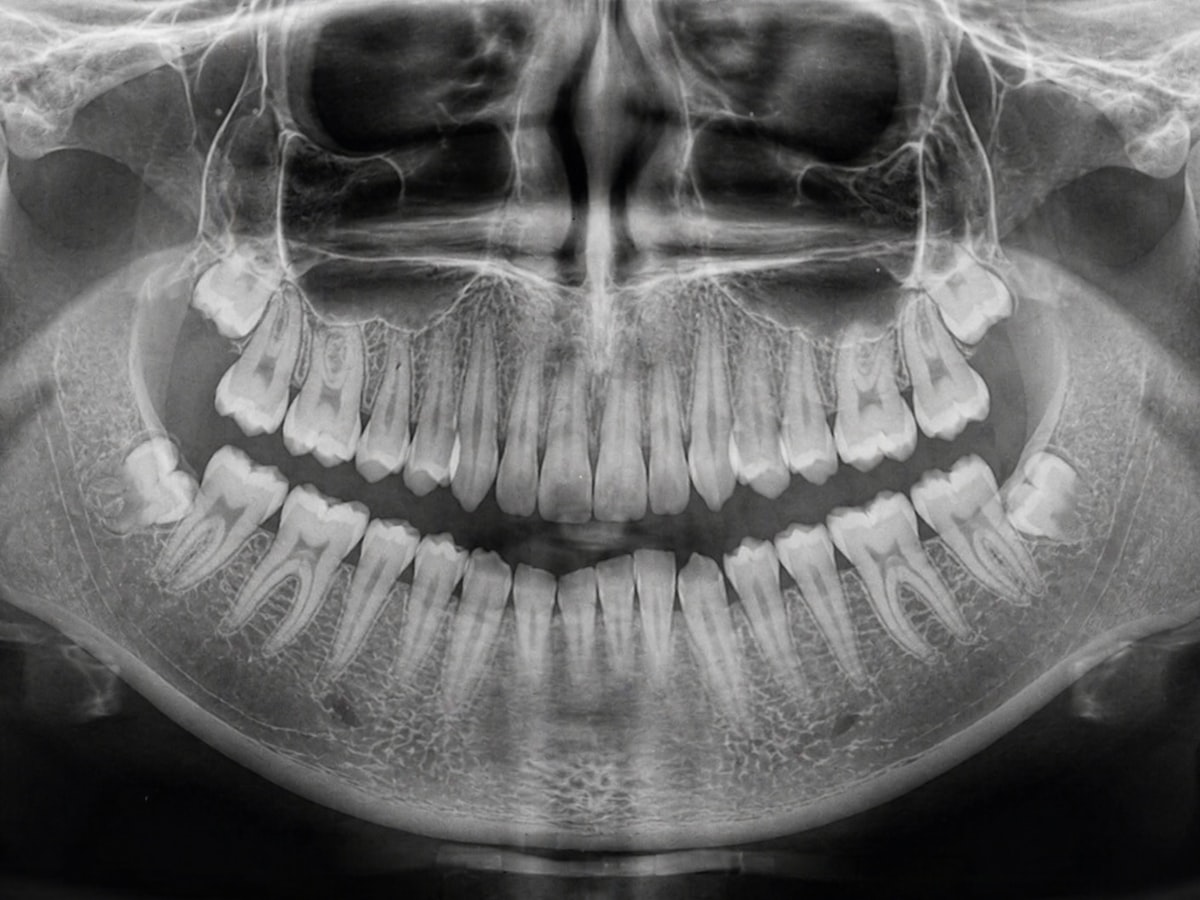
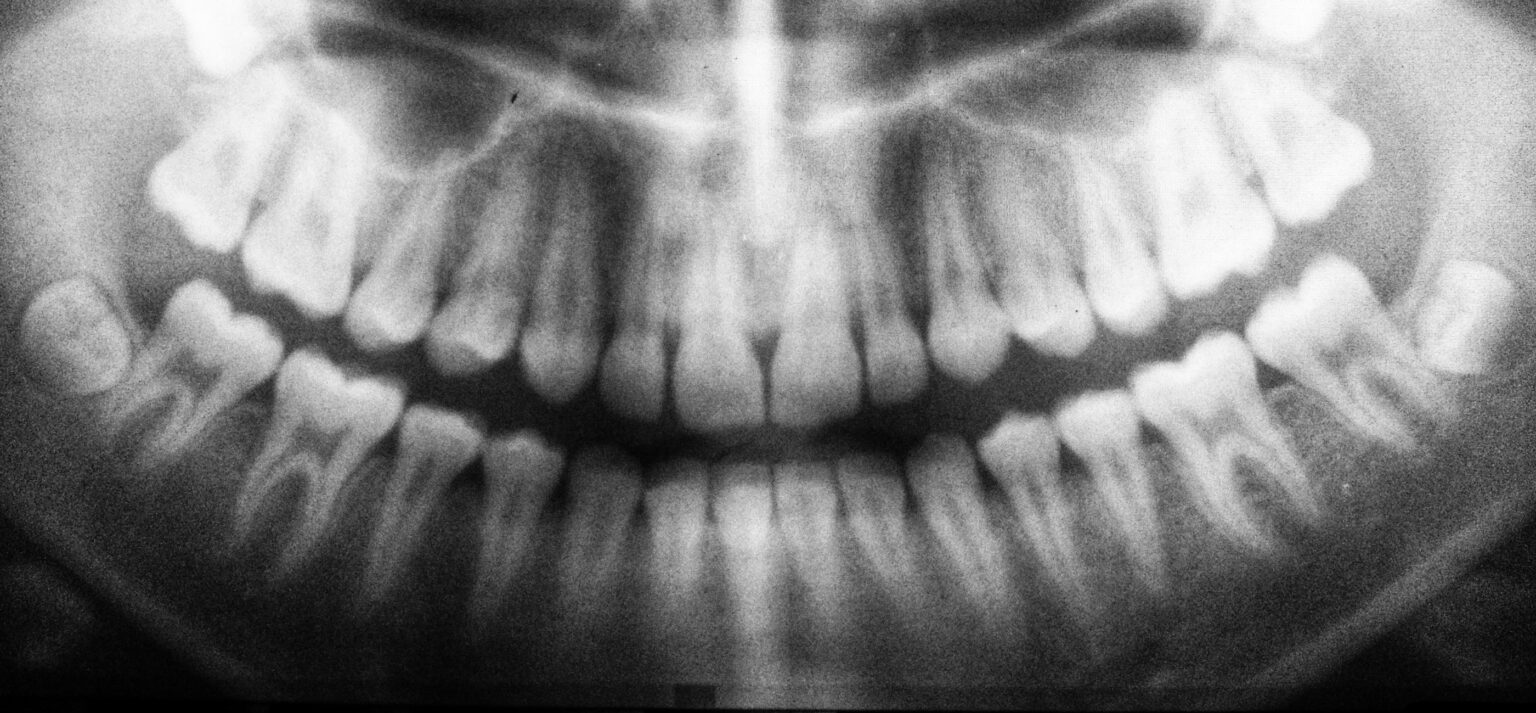
Wisdom teeth have a way of staying quiet until they do not. Many people reach their late teens or early twenties with no obvious symptoms, then one day they notice pressure behind the back molars, gum swelling, a strange taste, or pain that seems to radiate toward the ear or jaw joint. When those third molars are impacted, meaning they cannot erupt into a normal position, the conversation often shifts from watchful waiting to surgery.
That shift can feel abrupt, especially for patients who have never needed oral surgery before. In practice, though, wisdom teeth removal for impacted molars is one of the most common procedures in dentistry and oral surgery. Common does not mean trivial. It means the decision should be informed, the timing considered carefully, and recovery managed with realistic expectations.
What “impacted” really means
An impacted wisdom tooth is a third molar that cannot fully emerge because it is blocked by bone, gum tissue, or the neighboring second molar. Some are partially impacted, where a small portion breaks through the gum but the rest remains trapped. Others are fully impacted and may sit completely under the gum and within the jawbone.
The position matters. A wisdom tooth can angle forward into the second molar, sit upright but lack space, tilt backward, or lie almost sideways. On an X-ray, these differences are not just academic. They affect how much pressure is placed on adjacent teeth, how hard the area is to keep clean, and how involved the extraction may be.
A partially erupted impacted molar often causes the most day to day irritation. Food and bacteria collect under the flap of gum tissue that covers part of the crown. Patients describe tenderness when chewing, swelling that comes and goes, or an unpleasant odor they cannot brush away. That pattern frequently points to pericoronitis, an inflammation or infection of the soft tissue around a partially erupted tooth.
A fully buried molar may remain symptom free for years, but it can still create trouble. It can press on the second molar, contribute to decay on the tooth in front of it, form a cyst in rare cases, or simply become harder to remove as the roots develop and bone becomes denser with age.
Why impacted wisdom teeth are often removed
The strongest reason for removal is not that every wisdom tooth is automatically a problem. It is that some impacted third molars create a predictable set of risks, and those risks tend to increase when the tooth is hard to clean, angled poorly, or causing damage next door.
Pain and swelling are the obvious triggers, but they are not the only ones. I have seen patients who were convinced their wisdom teeth were “fine” because they did not hurt, only to learn that the second molar in front had already developed a cavity where food had been trapped against it for months. The wisdom tooth itself may be the lesser concern in those cases. Protecting the healthy tooth in front becomes the priority.
Crowding is a more nuanced issue. Many patients are told that wisdom teeth “cause all front teeth to shift.” The reality is less tidy. Lower front teeth can crowd over time for several reasons, including natural changes in the dental arch. Wisdom teeth may contribute pressure in some mouths, but they are not the sole explanation for every crooked incisor. That is why a surgeon or dentist should base the recommendation on the actual position of the molars, the available space, and what the imaging shows, rather than on a blanket claim.
The signs that deserve prompt attention
Some symptoms can wait a few days for a planned consultation. Others should move faster because they may signal spreading infection or a more significant complication.
- swelling that is increasing rather than settling
- difficulty opening the mouth, swallowing, or speaking comfortably
- fever, chills, or a generally unwell feeling
- pus, foul drainage, or a strong bad taste from the gum area
- numbness, severe pain, or pain that is not controlled with standard medication
These issues do not always mean an emergency room visit, but they do warrant timely professional advice. A dental office or oral surgery clinic can usually tell you whether you need same day care.
How dentists and oral surgeons decide whether removal is necessary
The decision usually rests on three pieces of information: symptoms, examination, and imaging. A standard panoramic X-ray often shows the position of the wisdom teeth, root development, and how close the roots lie to important structures such as the inferior alveolar nerve in the lower jaw or the maxillary sinus in the upper jaw. If a lower wisdom tooth appears very close to the nerve canal, a cone beam CT scan may be recommended for a more detailed view.
This is where judgment matters. Not every impacted molar needs to come out immediately, and not every quiet tooth should be ignored forever. A teenager with developing roots and an obviously blocked molar may be an excellent candidate for planned removal before repeated infections begin. A healthy adult in their thirties with a deeply embedded tooth, no symptoms, and no sign of damage may be advised to monitor it instead, especially if removal would carry a higher nerve or sinus risk.
That balance between intervention and observation is one of the most important parts of the consultation. A good clinician explains why they recommend surgery, what could happen if the tooth stays, and what the extraction itself is likely to involve.
Timing matters more than many people realize
Wisdom teeth are often easiest to remove when the roots are not fully formed and the surrounding bone is a bit more forgiving. That usually means the late teens to early twenties, though age alone does not decide the plan. People in their thirties, forties, and beyond still have successful extractions every day. Recovery may simply be somewhat slower, and the surgery can be more technically demanding.
There is also the matter of life timing. College exams, work travel, weddings, athletic seasons, and pregnancy all influence when surgery makes sense. The best time for wisdom teeth removal is often a period when the patient can actually rest for several days and follow postoperative instructions without fighting a full calendar. I often tell patients that the surgery itself is only half the event. The recovery environment matters just as much.
What the procedure typically involves
Impacted wisdom teeth are usually removed by an oral and maxillofacial surgeon, though some general dentists with surgical experience also perform these extractions. The appointment may involve one tooth or all four, depending on the situation. Removing all indicated wisdom teeth in one visit is common because it avoids repeated sedation, repeated recovery periods, and repeated time away from work or school.
Local anesthetic is always part of the process. Beyond that, sedation options range from nitrous oxide to oral sedation to IV sedation or deeper anesthesia, depending on the complexity of the case, the patient’s anxiety level, medical history, and the practice setting. The right choice is the one that matches the procedure and keeps the patient safe and comfortable.
For a fully impacted lower molar, the surgeon often makes a small incision in the gum, removes a limited amount of bone over the tooth, and may section the tooth into pieces for gentler removal. That sounds dramatic on paper, but it is standard technique. Breaking the tooth into sections can reduce stress on the jaw and minimize how much bone must be removed. The site is then cleaned, and sutures may be placed.
Most patients are surprised by two things. First, the procedure is usually shorter than they expected. Second, they feel pressure more than sharp pain during the extraction because of the anesthetic. The soreness starts later, after the numbness begins to wear off.
What recovery feels like in real life
There is the version people hope for, and there is the version that actually happens. Most recoveries fall somewhere in the middle. For the first two to three days, swelling, stiffness, and soreness are normal. Peak swelling often arrives around day two or three, not the first evening, which catches some people off guard. Jaw opening can feel tight. Eating takes planning. Sleep is lighter. By the end of the first week, many patients are clearly improving, though they may still feel tender and tired.
The lower impacted teeth usually drive the harder recovery. Upper wisdom teeth are often simpler because the bone is less dense, though their roots may be close to the sinus. Lower sites tend to swell more and can leave the jaw muscles sore, especially if the tooth was deeply angled or required more bone removal.
One of the more useful pieces of practical advice is to treat the first forty eight hours with respect. Patients who feel “pretty good” on the evening of surgery sometimes do too much, skip hydration, or try to eat normal food too quickly. That tends to show up the next morning as more swelling, more pain, and a rougher day overall.
Preparing well can make recovery smoother
Good preparation reduces stress more than people expect. The few simple things that matter most are not glamorous, but they are effective.
- arrange a ride home if sedation is planned
- fill prescriptions before the procedure when possible
- stock soft foods and plenty of fluids
- plan for a quieter schedule for at least two to three days
- ask in advance when to stop eating or drinking before sedation
Beyond that, it helps to have a clean pillowcase, an extra ice pack, and a realistic idea of what “soft foods” actually means. Yogurt, eggs, mashed potatoes, oatmeal, smoothies eaten with a spoon, soups that are not too hot, and well cooked pasta are practical choices. Crunchy chips and rice are not good early options, no matter how tempting they sound by day three.
Managing pain without guessing
Pain control has changed over the years, and for many healthy patients, a combination of ibuprofen and acetaminophen works very well when taken as directed by the surgeon. In some cases, especially after more difficult lower impactions, a short course of stronger medication may still be prescribed. The exact plan depends on medical history, allergies, stomach issues, kidney or liver concerns, and the complexity of the extraction.
The most common mistake is waiting until the anesthetic has completely worn off and pain is already climbing before taking the first dose. Staying ahead of discomfort is easier than trying to catch up to it. Another common mistake is underestimating hydration. A patient who is not drinking enough tends to feel worse in almost every way, including pain.
Ice helps early. Most practices recommend intermittent icing during the first day, sometimes into the second. After that, gentle warmth may be suggested if jaw stiffness is the bigger problem. Follow the office instructions rather than mixing advice from friends, forums, and old family stories. Everyone seems to know someone’s cousin who swears by an odd remedy. The basics usually work better.
Dry socket, nerve symptoms, and other complications people worry about
Dry socket gets a lot of attention because it is memorable when it happens. It occurs when the blood clot at the extraction site breaks down or is lost too soon, leaving bone more exposed and causing notable pain, usually a few days after surgery. It is more common with lower teeth than upper teeth, and smoking is a major risk factor. So is vigorous spitting, using straws too early, or disturbing the site repeatedly. Dry socket is painful, but it is treatable, and it does not mean the surgery failed.
Numbness is another concern, especially with lower wisdom teeth whose roots are close to the nerve canal. Temporary numbness or altered sensation of the lip, chin, or tongue can happen, though permanent changes are much less common. The risk varies significantly based on anatomy. This is where high quality imaging and careful technique matter. If the tooth is very close to the nerve, the surgeon may discuss alternatives such as coronectomy in select cases, where the crown is removed but part of the root is intentionally left to reduce nerve injury risk.
Sinus communication is a possible issue with upper wisdom teeth whose roots sit near the maxillary sinus. When it happens, the surgeon typically recognizes it and manages it appropriately. Patients may be given specific instructions about sneezing with the mouth open and avoiding forceful nose blowing for a period after surgery.
Bleeding is usually more annoying than dangerous. Oozing for several hours is common. Bright red bleeding that continues despite firm gauze pressure is less common and deserves a call to the office.
Eating, cleaning, and getting back to normal
The first few meals after surgery should be simple. Cool or lukewarm soft foods are easiest, especially while numbness lingers. Hot foods on day one can increase bleeding, and anything sharp or crumbly can irritate the site. Over several days, patients usually advance their diet based on comfort rather than a rigid calendar.
Oral hygiene Wisdom Teeth Removal matters, but there is a right way to do it. Patients often worry they will “tear something open” by brushing. In reality, the rest of the mouth still needs to be kept clean. The surgical sites simply need gentler handling. Many surgeons recommend starting saltwater rinses after the first day, not forcefully swishing but letting the water move around the area and then fall out of the mouth. If a syringe for irrigation is provided, it is usually introduced later, once the early clot has stabilized.
Returning to work or school depends on the job and the extraction. A desk worker with straightforward upper teeth may feel ready in a couple of days. Someone who had deeply impacted lower molars removed, especially under IV sedation, may need longer. Athletes and people who lift heavy loads should be cautious because increased blood pressure and exertion can worsen bleeding and swelling. A long weekend is often enough for mild cases, but it is not a guarantee for every patient.
When watchful waiting is a reasonable choice
There is a persistent myth that every impacted wisdom tooth should be removed on sight. That is not sound clinical thinking. Some impacted molars remain stable, asymptomatic, and harmless for years. In those cases, periodic examination and imaging can be a valid approach, particularly if surgery would be high risk or the patient has medical conditions that complicate elective procedures.
Watchful waiting is not the same as neglect. It means committing to review. The tooth should be monitored for signs of gum inflammation, decay in the neighboring tooth, cystic changes, bone loss, and shifting symptoms. If the patient cannot realistically maintain that follow up, the balance may tip back toward removal.
Questions worth asking at the consultation
The best consultations are specific. A patient should leave understanding not just that surgery is recommended, but why this tooth, why now, and what level of difficulty is expected. Ask how close the roots are to the nerve or sinus, what sedation options are appropriate, how many days of downtime are realistic, and what warning signs should prompt a call after surgery.
It is also fair to ask whether all four need removal or only certain teeth. Sometimes the upper teeth are likely to over erupt or become hard to clean if the lowers are removed. Sometimes a symptom on one side leads to imaging that reveals a broader problem. Other times, the answer is narrower than patients expect, and only one or two teeth truly need attention.
The bottom line for patients weighing surgery
Wisdom teeth removal for impacted molars is routine in the sense that surgeons perform it every day. It is not routine in the sense that every mouth is the same or every recommendation should be accepted without discussion. The tooth position, your age, your symptoms, your medical history, and the anatomy visible on imaging all shape the decision.
Most patients do well when the case is properly evaluated, the timing is sensible, and the recovery instructions are taken seriously. Problems usually arise not because the procedure is inherently unsafe, but because a troublesome tooth was ignored too long, the postoperative advice was brushed aside, or the plan was based on assumptions rather than a careful exam.
If you are dealing with pain, swelling, recurrent gum irritation, or an X-ray that shows an impacted molar pressing where it should not, a consultation is the right next step. A clear explanation from a dentist or oral surgeon Wisdom Teeth Removal can turn a vague worry into a practical plan, whether that plan is removal soon or observation with purpose.
Oxnard Dentistry
1730 E Gonzales Rd, Oxnard, CA 93036, United States
+1 805-307-8731
FAQ About Wisdom Teeth Removal
How painful is it to remove a wisdom tooth?
Local anesthetic numbs the area during extraction. Pressure may still be noticeable; tell the dentist if you feel pain. Soreness and swelling afterward are common. Follow the pain-control instructions provided for your situation.
How long is recovery for wisdom teeth extractions?
Recovery varies with the tooth position and complexity of the extraction. Some people resume routine activities quickly, while others need several days of rest. Soreness, swelling and jaw stiffness can last up to two weeks. Follow your clinician's aftercare and activity advice.
What are the risks of wisdom tooth removal?
Possible complications include dry socket, infection, persistent bleeding and changes in sensation from nearby nerve injury. Your dentist or oral surgeon should explain your individual risks before treatment. Seek prompt dental advice for bleeding that will not stop, fever, or severe or worsening pain and swelling.