Wisdom Teeth Removal Anesthesia Options Explained
Wisdom Teeth Removal is one of the most common oral surgery procedures, yet the anesthesia side of it often causes more anxiety than the extraction itself. Patients usually arrive with one big question: “Will I be awake for this?” The honest answer is that there is more than one good option, and the right choice depends on the position of the teeth, the difficulty of the surgery, your medical history, and your comfort level.
Some people do very well with a numb mouth and a calm explanation. Others need medication that makes the whole experience feel distant or not memorable. Neither approach is inherently better. The best plan is the one that matches the procedure and the patient.
A lot of confusion comes from the way people use the term “put to sleep.” In everyday conversation, that phrase can mean anything from feeling drowsy and detached to being fully unconscious. In a dental office or oral surgery setting, those levels are very different. Understanding them makes it much easier to have a sensible conversation with your surgeon before the day of surgery.
Why anesthesia choice matters more than most patients realize
Anesthesia is not just about comfort. It also affects safety, recovery time, fasting rules, transportation, cost, and how clearly you can follow instructions after the procedure. A healthy college student having four straightforward extractions may have very different needs from a patient in their late thirties with deeply impacted lower wisdom teeth near the nerve, a strong gag reflex, and significant dental fear.
There is also the issue of surgical access. Wisdom teeth can be simple or surprisingly complex. Some are fully erupted and easy to remove with local anesthesia alone. Others are trapped under gum tissue or bone, angled into the second molar, or sitting close to the inferior Wisdom Teeth Removal alveolar nerve in the lower jaw. In those harder cases, keeping the patient comfortable and still can make the procedure smoother for everyone involved.
I have seen patients walk in convinced they need to be completely unconscious, then do beautifully with local anesthesia and mild sedation. I have also seen patients who thought “just numbing it” would be fine, only to realize during the consultation that their anxiety level would make that miserable. Good planning prevents a bad day.
The baseline: local anesthesia
Local anesthesia is the foundation of pain control in wisdom tooth surgery. Even when a patient receives sedation or general anesthesia, the surgeon typically still uses local anesthetic to numb the surgical area. That numbness blocks pain signals from the teeth, gums, and surrounding tissues.
If you have ever had a filling and left the office with a numb lip or tongue, you already understand the basic effect. For wisdom teeth, the injections are usually more extensive because the procedure is more invasive. The upper teeth and lower teeth are numbed differently, and the lower jaw often requires a nerve block that can make one side of the lip, chin, and tongue feel heavy for several hours.
Local anesthesia alone is often enough for simple extractions, especially when the wisdom teeth are fully erupted or only mildly difficult to remove. You stay awake the entire time. You will likely feel pressure, pushing, vibration, and movement, but you should not feel sharp pain. That distinction is important. Many patients mistake normal surgical pressure for inadequate anesthesia, when in fact the area is completely numb.
The benefits are practical. Recovery tends to be faster. There is no need for the same level of monitoring required with deeper sedation. Fasting rules may be less strict, depending on the office protocol. You may also avoid the grogginess and memory gaps associated with sedative drugs.
The downside is equally straightforward. If you are highly anxious, have a strong gag reflex, dislike the sound of dental instruments, or tense up easily, local anesthesia alone can feel like too much. It is often the right medical choice for the tooth, but not always the right emotional choice for the person.
Nitrous oxide, the lightest form of sedation
Nitrous oxide, often called laughing gas, is a mild inhaled sedative delivered through a small nose mask. It takes the edge off without fully knocking you out. Patients usually describe feeling warm, detached, lighter, or pleasantly unconcerned. Some say time seems to move faster. Others simply notice that the procedure matters less to them.
Nitrous oxide is usually combined with local anesthesia. It does not replace numbing injections. Its main role is to reduce anxiety and make the experience easier to tolerate. The nice thing about nitrous oxide is its flexibility. The effect starts quickly, the dose can be adjusted during the visit, and it wears off fairly fast once the gas is stopped and oxygen is given.
For straightforward Wisdom Teeth Removal, nitrous can be an excellent middle ground. A nervous teenager with four erupted wisdom teeth may not need anything stronger. A patient who wants to remain awake and communicative but less tense may also find it ideal.
Still, nitrous has limits. It may not be enough for patients with severe dental phobia or for longer, more surgical extractions. It also depends on being able to breathe comfortably through the nose, which is not ideal if you are congested or have certain breathing issues on the day of surgery.
Oral sedation: more relaxed, still technically awake
Oral sedation usually involves taking a prescribed medication before the appointment, often in pill form. The goal is to create a deeper sense of calm than nitrous alone. Depending on the medication and the patient, oral sedation can make you sleepy, reduce memory of the procedure, and soften the sense of time.
Patients are often surprised by how variable oral sedation can be. One person takes the standard dose and becomes deeply drowsy. Another takes the same dose and remains chatty but clearly relaxed. Body size, metabolism, medication tolerance, anxiety level, and timing all matter. Because the response is less predictable than intravenous sedation, many oral surgeons use it selectively rather than as their first choice for more difficult cases.
With oral sedation, you are generally still conscious and able to respond to instructions. You may open wider when asked, shift your head, or answer simple questions. That can be useful, but it also means you may still be somewhat aware of the procedure. For some patients, that is perfectly acceptable. For others, especially those who strongly prefer not to remember much, IV sedation is a better fit.
Recovery can be slower than with nitrous, and you will need a responsible adult to drive you home. You should also expect a longer period of grogginess afterward. People sometimes underestimate this. They feel “not too bad” right after surgery and then become markedly sleepy once they get home. That is normal, and it is one reason discharge instructions matter so much.
IV sedation: the most common choice for impacted wisdom teeth
When people say they want to be asleep for their wisdom teeth, they are often referring to IV sedation, even if they do not realize it. Intravenous sedation is delivered through a vein, usually in the arm or hand, and allows the surgeon or anesthesia provider to control the depth of sedation much more precisely than a pill can.
This is a common option for impacted wisdom teeth, especially when all four are being removed at once. It is also frequently chosen by patients with significant anxiety, low pain tolerance, or a strong desire not to remember the procedure. Under IV sedation, most patients become very drowsy and remember little to nothing afterward. They are not always fully unconscious in the operating room sense, but from the patient perspective, it often feels like they went out and woke up when it was over.
That distinction matters because IV sedation exists on a spectrum. Light IV sedation leaves a patient sleepy but responsive. Deeper sedation produces minimal awareness and limited response. The exact level depends on the patient, the medications used, the planned surgery, and the training and permits of the treating team.
For surgical Wisdom Teeth Removal, IV sedation offers several advantages. It improves comfort, reduces awareness of the procedure, and often makes time seem to disappear. It can also help the surgeon work efficiently because the patient is relaxed and less likely to react to pressure, water, sounds, or prolonged mouth opening.
There are trade-offs. IV sedation requires fasting beforehand. You will need an escort. Monitoring is more involved. Recovery takes longer than with local anesthesia alone, even if you look alert fairly quickly. Most offices will also have stricter medical screening for IV sedation, particularly if you have heart disease, significant lung issues, obstructive sleep apnea, or take medications that interact with sedatives.
General anesthesia: deeper than office sedation
General anesthesia is the deepest end of the spectrum. Under true general anesthesia, you are unconscious and do not respond in the usual way to stimulation. This may be provided in a hospital, ambulatory surgery center, or in some highly equipped office settings, depending on local regulations, the surgeon’s training, and the patient’s needs.
For routine wisdom teeth, general anesthesia is not always necessary. Many patients who think they need it are actually excellent candidates for IV sedation, which often provides the same practical experience from their point of view. They do not remember the surgery and are comfortable throughout it, but without the full complexity that general anesthesia can involve.
That said, there are situations where general anesthesia may be considered. Very difficult surgical cases, certain special needs patients, severe cooperation limitations, or specific medical and behavioral considerations can push the recommendation toward a deeper anesthetic plan. Young children needing multiple oral procedures are another category entirely, though that is less relevant for wisdom teeth.
The key point is that “deeper” does not automatically mean “better.” It means more control over awareness, but it also means more preparation, more monitoring, and often more cost.
A practical way to compare the main options
- Local anesthesia only: You are awake, fully numb, and aware of pressure and movement, with the quickest recovery.
- Nitrous oxide with local anesthesia: You are awake but calmer, with fast onset and relatively quick recovery.
- Oral sedation with local anesthesia: You are drowsier and more relaxed, but the effect can be less predictable.
- IV sedation with local anesthesia: You are deeply relaxed, often with little memory of the procedure, and this is a common choice for impacted wisdom teeth.
- General anesthesia: You are fully unconscious, usually reserved for selected cases rather than every routine extraction.
How surgeons decide what to recommend
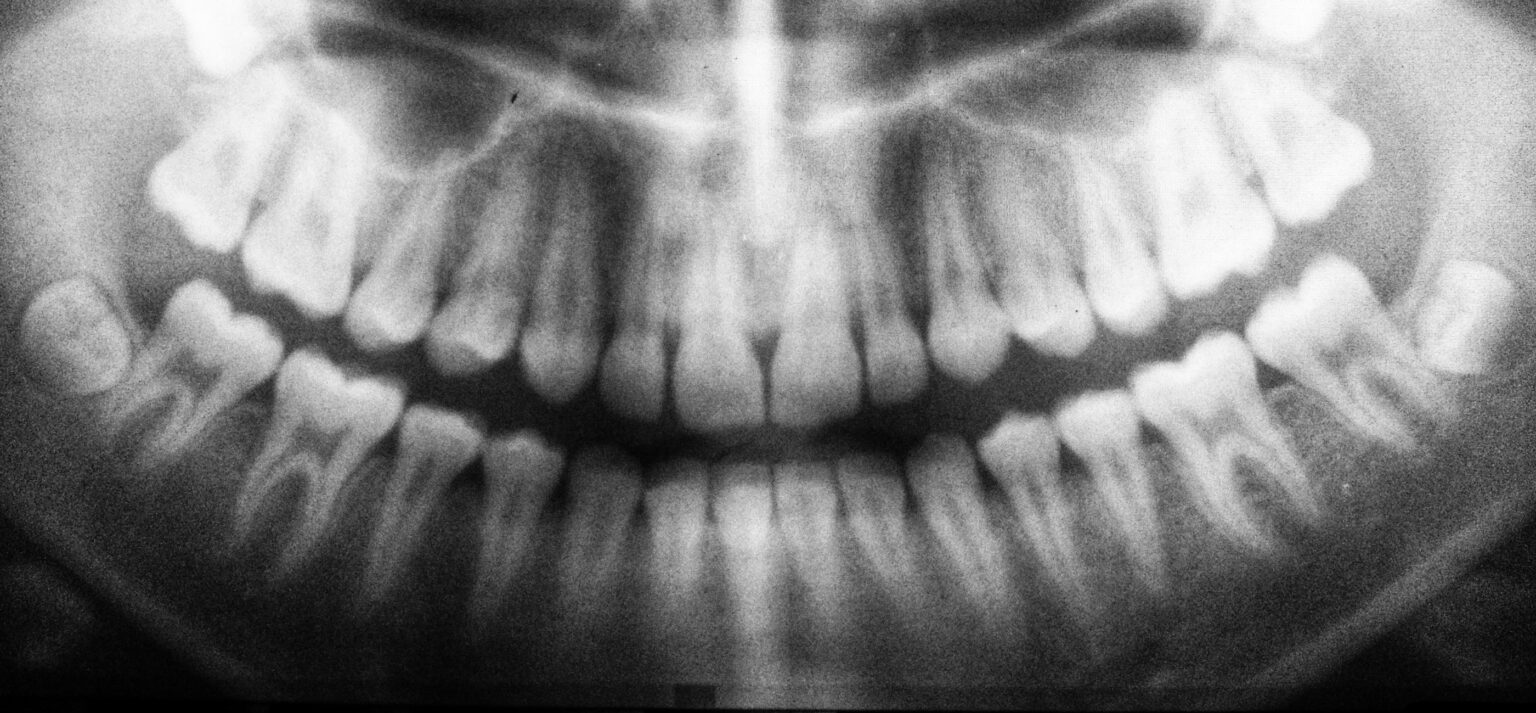
The decision is rarely based on one factor. An experienced oral surgeon is balancing anatomy, procedure time, patient behavior, medical safety, and logistics. During consultation, imaging often tells part of the story. A panoramic X-ray or cone beam scan can show whether the lower wisdom teeth are horizontal, partially erupted, or close to the nerve canal. It can also reveal whether the upper teeth are tucked near the sinus.
Then comes the patient side of the equation. Someone who says, “I get nervous, but I can manage,” is very different from someone who nearly faints during routine cleanings. People with a history of panic attacks in medical settings often do better with stronger sedation, not because they are weak, but because their body reacts intensely under stress. The same applies to patients with a severe gag reflex or difficulty staying open for long procedures.
Age can influence the discussion too. Wisdom teeth are often easier to remove in the late teens or early twenties because the roots may be less fully formed and the surrounding bone is generally more forgiving. Older patients can still do well, but surgery may be more involved, and the anesthesia plan may need a little more thought depending on overall health.
Safety questions patients should ask
Anesthesia safety depends on proper patient selection, appropriate monitoring, trained staff, emergency readiness, and clear preoperative instructions. Most serious problems are rare, but the details matter. Patients are right to ask who will be administering the anesthesia, what level of sedation is planned, what monitoring will be used, and what happens if there is an unexpected reaction.
If you have sleep apnea, asthma, reflux, obesity, heart conditions, a difficult airway history, or prior trouble with anesthesia, say so early. Do not assume it is irrelevant because this is “just dental surgery.” Oral surgery anesthesia can be very safe, but only when the surgeon has the full medical picture.
Medication disclosure matters too. Antidepressants, anti anxiety medications, stimulants, blood thinners, diabetes drugs, and even supplements can affect planning. Cannabis use is another important example. Regular users may respond differently to sedatives and may need an adjusted plan. It is better to have an awkward but honest conversation than a preventable complication.
What the day feels like under each option
The lived experience varies quite a bit. With local anesthesia alone, the appointment feels procedural. You check in, receive numbing injections, wait for the anesthesia to take effect, and then the surgeon begins. You hear instruments, feel hands moving, and notice pressure as each tooth is loosened or sectioned. Patients who choose this route often say the anticipation was worse than the actual surgery.
Nitrous changes the mood more than the mechanics. The same sounds and sensations are there, but they tend to bother you less. Time can blur a little. Many patients are surprised by how ordinary the recovery feels once the gas is gone.
With oral sedation, the memory can become spotty. Some patients recall getting settled and then only fragments of the procedure. Others remember more but feel emotionally removed from it. The unpredictability is not necessarily a flaw, but it is something to understand ahead of time.
IV sedation usually creates the biggest disconnect between the patient’s experience and the clinical reality. From the surgical team’s perspective, a lot still happens. Monitors are placed, the IV starts, medications are given, local anesthetic is administered, the extractions are performed, and the patient is observed during recovery. From the patient’s perspective, they often remember almost none of that sequence. Many wake up asking when the surgery will start, only to be told it is already finished.
Cost differences and why they vary so much
Anesthesia affects the fee, sometimes significantly. Local anesthesia is typically the least expensive because it is the simplest to deliver and monitor. Nitrous adds a modest cost in many offices. Oral sedation may involve a smaller increase, though policies vary. IV sedation and general anesthesia are usually the most expensive options because they require more equipment, more staff attention, more monitoring, and more specialized training.
There is no universal price because location, case difficulty, practice setting, and insurance all change the numbers. A surgical extraction of four impacted wisdom teeth under IV sedation in a major metro area can cost far more than two erupted upper wisdom teeth removed with local anesthesia in a smaller town.
It is worth asking for an itemized treatment estimate. Patients often assume they are comparing “the same surgery” when they are not. One estimate may include imaging, pathology if needed, IV sedation, and follow-up care. Another may break those apart.
Preparing for sedation and anesthesia
Preparation is not glamorous, but it prevents problems. Most avoidable complications happen because instructions were not followed or not understood. Fasting is the classic example. If your office tells you not to eat or drink for a certain number of hours before IV sedation or general anesthesia, follow that exactly. A small breakfast because “I was hungry” can force a cancellation for safety reasons.
Here are the pre-op basics most patients should treat seriously:
- Follow the fasting instructions exactly if sedation or general anesthesia is planned.
- Arrange a responsible adult to drive you home and stay with you for the first several hours if the office requires it.
- Wear comfortable clothing, preferably with short sleeves if an IV is planned.
- Disclose all medications, supplements, and recent illnesses, including colds and congestion.
- Ask questions ahead of time so you are not making anxious decisions in the waiting room.
Congestion deserves special mention. A simple cold can interfere with breathing comfort, nitrous delivery, and the overall anesthesia plan. If you wake up sick on surgery day, do not tough it out in silence. Call the office.
After the procedure: how anesthesia affects recovery
Patients often mix up anesthesia recovery with surgical recovery. They are related, but not identical. Local anesthesia wears off over hours. Sedation wears off over the rest of the day, sometimes into the next morning in terms of fatigue and fogginess. Surgical soreness, swelling, and limited jaw opening may build over the first two or three days no matter which anesthesia you had.
If you had only local anesthesia, you may feel fairly clear-headed soon after the appointment, though the numbness can be annoying. If you had IV sedation, you may be awake enough to leave the office but still not able to judge your own alertness accurately. That is why driving, signing important documents, returning to work immediately, or caring for small children alone Wisdom Teeth Removal is a bad idea on the same day.
One common pattern after sedation is that patients feel fine for the first hour, then crash hard at home. They become sleepy, chilled, or weepy, and family members worry something is wrong. Usually it is just the medication wearing off along with the stress of the procedure. Clear aftercare instructions, hydration as allowed, and a quiet place to rest make a big difference.
Special situations that change the conversation
There are a few scenarios where the standard script does not apply. Pregnancy requires careful timing and medication selection. Significant needle phobia can make even IV placement a major barrier, so some practices use oral premedication or nitrous first to help with the IV start. Patients with autism, sensory sensitivities, or developmental disabilities may need an individualized approach that places more weight on predictability and environmental stress.
Severe sleep apnea deserves caution because sedatives can worsen airway obstruction. Patients with a history of difficult anesthesia, malignant hyperthermia in the family, or major cardiopulmonary disease may need treatment in a hospital-based setting. None of these factors automatically rule out wisdom teeth removal, but they do change where and how it should be done.
Choosing the option that fits you
A good anesthesia plan does not come from internet bravado or horror stories from friends. It comes from matching the procedure to the patient. If your wisdom teeth are simple and you handle dental work well, local anesthesia or nitrous may be entirely reasonable. If your teeth are impacted, the surgery will be more involved, and the very thought of being awake makes your chest tighten, IV sedation is often worth serious consideration.
What matters most is that you understand the trade-offs. Ask how difficult your extractions are expected to be. Ask how much you are likely to remember with each option. Ask what the recovery day usually looks like. A thoughtful surgeon will not push one choice blindly. They will explain what they recommend, why they recommend it, and where the alternatives still make sense.
That conversation tends to lower anxiety more than any sedative ever could. When patients know what to expect, they usually do much better, whether they are fully awake with local anesthesia or drifting comfortably through the entire procedure under IV sedation.
Oxnard Dentistry
1730 E Gonzales Rd, Oxnard, CA 93036, United States
+1 805-307-8731
FAQ About Wisdom Teeth Removal
How painful is it to remove a wisdom tooth?
Local anesthetic numbs the area during extraction. Pressure may still be noticeable; tell the dentist if you feel pain. Soreness and swelling afterward are common. Follow the pain-control instructions provided for your situation.
How long is recovery for wisdom teeth extractions?
Recovery varies with the tooth position and complexity of the extraction. Some people resume routine activities quickly, while others need several days of rest. Soreness, swelling and jaw stiffness can last up to two weeks. Follow your clinician's aftercare and activity advice.
What are the risks of wisdom tooth removal?
Possible complications include dry socket, infection, persistent bleeding and changes in sensation from nearby nerve injury. Your dentist or oral surgeon should explain your individual risks before treatment. Seek prompt dental advice for bleeding that will not stop, fever, or severe or worsening pain and swelling.