Wisdom Teeth Removal and Stitches: What to Expect
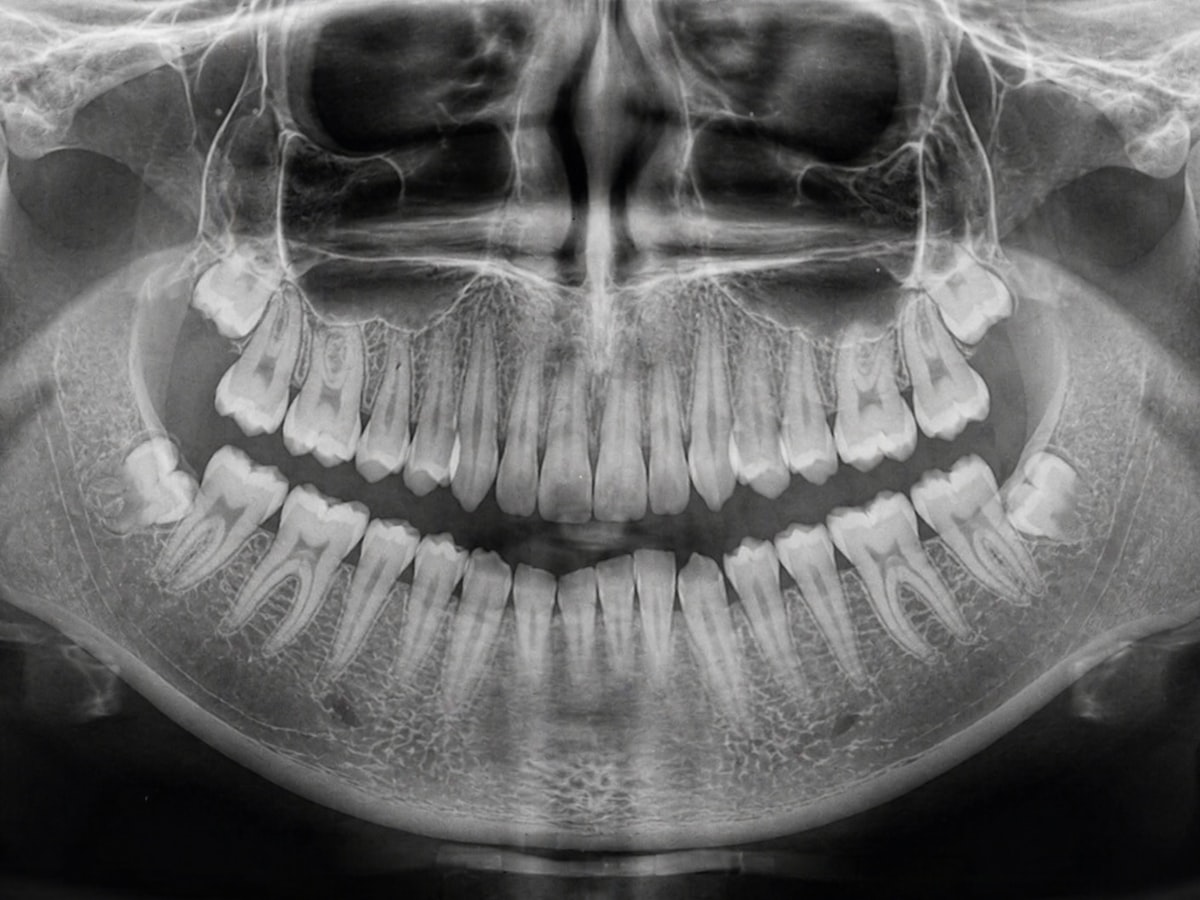
Wisdom teeth removal tends to sound more dramatic than many oral surgery procedures, partly because it often happens in late teens or early adulthood, and partly because people swap stories that lean toward the memorable rather than the typical. One of the most common points of anxiety is stitches. Patients want to know whether they will need them, how long they stay in, whether they hurt, and what it means if one seems to loosen or disappear.
Those are fair questions. Stitches are a routine part of many wisdom tooth extractions, especially when the tooth is impacted, the gum needs to be opened, or a small amount of bone has to be removed to get the tooth out safely. In simpler cases, a surgeon may not need stitches at all. The details depend on how the tooth is positioned, how much access is needed, and how your tissues respond during the procedure.
If you know what stitches are doing, the recovery process feels much less mysterious. Most patients do best when they understand not just the instructions, but the reason behind them. That is where much of the stress tends to ease.
Why stitches are used after wisdom teeth removal
Stitches, also called sutures, help bring the gum tissue together after surgery. Think of them as a temporary support system. They hold tissue in a favorable position while the underlying area begins to heal, and they can help protect the socket by reducing excess movement of the gum edges.
After Wisdom Teeth Removal, the surgeon may place stitches for several reasons. Sometimes the gum is lifted to expose a buried tooth. Sometimes there is a flap of tissue that sits better when secured. In other cases, stitches help reduce bleeding and make the wound margins cleaner. They do not “speed up” healing in a magical sense, but they create conditions that often allow healing to proceed more predictably.
A lot of patients assume stitches mean the surgery was severe. Not necessarily. A straightforward lower impacted wisdom tooth often gets a stitch or two simply because it makes closure neater. On the other hand, some extractions leave an open socket intentionally because that shape drains and heals well on its own. A surgeon chooses closure style based on the anatomy, not on appearances.
What kind of stitches you may have
Most oral surgeons and many general dentists use dissolvable stitches for wisdom teeth. These are designed to soften, loosen, and come out on their own over several days to a couple of weeks. The exact timing varies by material. Some dissolve quickly, often within about a week. Others hang on longer and may still be present at ten to fourteen days, occasionally beyond that.
Less commonly, non-dissolvable stitches are used. If that happens, you are usually told clearly that they need to be removed at a follow-up visit. Removal is generally quick and much easier than patients expect. It feels more like a tug than a painful procedure.
Even dissolvable stitches can be confusing because “dissolve” does not always mean they vanish like sugar in tea. More often, they loosen as the tissue heals, then fall out in tiny pieces or are swallowed without you noticing. Patients sometimes panic when they see a small thread on the pillow or tongue. Most of the time, that is entirely normal.
What the first day usually feels like
The first twenty-four hours are more about clot protection and swelling control than about the stitches themselves. You are likely to feel pressure, soreness, and some stiffness. If the extraction was more involved, especially for lower wisdom teeth, the jaw can feel tight and reluctant to open fully.
The stitches may create an odd sensation. Some people notice a rough thread against the cheek or tongue. Others are unaware of them until they look in a mirror. Mild oozing is common on the day of surgery, and saliva can make a small amount of blood look like much more than it is. That can be unsettling if no one warned you.
A typical surgical site often looks more alarming than it is. The gum may appear swollen, slightly puckered, or whitish around the edges. The sutures may be dark, clear, tan, or purple depending on the material. None of that automatically signals a problem. Surgical wounds in the mouth rarely look polished in the first few days. The mouth is a wet, busy environment, and healing there has its own appearance.
Pain also does not follow a single script. Some patients feel relatively comfortable the first day because local anesthetic and early medication carry them through, then notice peak soreness on days two and three. That pattern is common. Swelling often peaks around the same time. If you are expecting a perfectly linear recovery, normal healing can feel more worrisome than it really is.
What the stitches should look and feel like
Healthy stitches after wisdom teeth removal usually look like small threads or loops at the gumline. The surrounding tissue may be pink, red, or slightly bruised. Some puffiness is expected. As healing progresses, the area often becomes less tender, though the stitches themselves can start to feel more noticeable as swelling drops and the thread loosens.
Patients often ask whether they should be able to see a “hole.” Sometimes yes. Even with stitches, the socket may not be completely sealed. That is not necessarily poor healing. Many lower wisdom tooth sites, in particular, leave a small depression that gradually fills in from the bottom up over several weeks.
One practical point matters here: appearance and healing quality are not always tightly linked. A site can look messy and heal beautifully. Another can look fairly calm but develop a dry socket or food impaction issue. Symptoms matter more than looks alone. Steady improvement in pain, swelling, and function tells you more than a snapshot in the bathroom mirror.
When the stitches start to loosen
This stage catches people off guard. A stitch that felt snug on day two may feel floppy on day five. You might sense a strand brushing the tongue or catch yourself trying not to play with it. That loosening is often a sign that the tissue no longer needs as much support.
If the stitches are dissolvable, they may fray before they disappear. They can also look longer than before because the knot is still attached while the rest relaxes. That does not mean the wound has reopened. Gum tissue heals surprisingly fast on the surface. By the time a dissolvable stitch becomes bothersome, it has often already done most of its job.
A loose stitch becomes worth attention if it is causing significant irritation, trapping food constantly, or hanging by a thread in a way that makes you nervous. In that situation, the dental office can tell you whether to leave it alone, trim it, or come in for a quick check. What you should not do is yank on it yourself. Pulling at sutures can disturb tissue that is still fragile, even if the area looks mostly closed.
The relationship between stitches and dry socket
Many patients assume stitches prevent dry socket. They can help protect the area, but they do not guarantee prevention. Dry socket happens when the early blood clot in the socket is lost or breaks down too soon, exposing deeper tissues and nerves. It is more common after lower wisdom tooth extractions, especially difficult ones, and often appears a few days after surgery rather than immediately.
The pain pattern is usually the clue. Normal soreness tends to improve gradually, even if it peaks around day two or three. Dry socket pain often becomes more intense instead of easing, and it can radiate to the ear, temple, or jaw. Patients sometimes describe it as deep, throbbing, or strangely empty. Bad breath or a foul Wisdom Teeth Removal taste can accompany it, though not always.
You can have stitches and still develop dry socket. You can also have no stitches and heal uneventfully. That is why post-operative instructions focus so heavily on protecting the clot. Suction, forceful rinsing, smoking, vaping, and vigorous spitting are frequent culprits early on. The stitches are part of the picture, but they are not the whole story.
How to care for the area without disturbing the stitches
The best aftercare is gentle and boring. People get into trouble when they decide the site needs “help” and start poking, swishing aggressively, or inspecting the wound every hour. Fresh extraction sites prefer calm.
These habits make the biggest difference:
- Keep pressure on gauze as instructed right after surgery, then change it only if needed for continued oozing.
- Use cold packs on the outside of the face during the first day, usually in short intervals, to help limit swelling.
- Eat soft foods and chew away from the surgical sites when possible for the first several days.
- Rinse gently with salt water after the first twenty-four hours, especially after meals, unless your surgeon gave different instructions.
- Take prescribed or recommended pain medication on schedule early on, rather than waiting for pain to become hard to control.
The logic behind each step is simple. Pressure helps the clot stabilize. Cold limits early inflammatory swelling. Soft foods reduce trauma. Gentle rinsing helps with cleanliness without blasting the site. Staying ahead of pain matters because once discomfort escalates, people tend to tense their jaw, skip eating, and feel much worse overall.
One common mistake is brushing too timidly everywhere else in the mouth. Patients become so afraid of touching the surgical area that they stop cleaning properly. That can leave the whole mouth feeling unpleasant and can increase bacterial buildup. Brush the other teeth normally, and clean near the extraction sites carefully. Good hygiene supports recovery, provided you respect the area and do not scrub directly over fresh stitches.
Eating, drinking, and the strange world of food getting stuck
Food around wisdom tooth sites is one of the most frustrating parts of recovery. Even when the stitches are holding nicely, small particles can collect near the back of the mouth. Rice, seeds, shredded meat, and chips are repeat offenders. So are foods that seem harmless but break into small fragments.
For the first few days, bland and soft is the safer path. Yogurt, eggs, mashed potatoes, pasta, oatmeal that is not too hot, smoothies eaten with a spoon, soups that have cooled, and soft fish are usually well tolerated. After that, people expand their diet based on comfort rather than a strict calendar. If chewing pulls on the stitches or increases aching, your mouth is telling you to slow down.
Temperature matters more than many expect. Very hot foods can stimulate more bleeding early on, and crunchy foods can jab the site before the tissue has sealed. Drinking through a straw is usually discouraged at first because the suction can disturb the clot, especially in the first few days.
Later in recovery, especially once some stitches have loosened, food may settle into small pockets behind the second molars. That does not always mean something is wrong. The back sockets can act like little catch basins while they fill in. Your surgeon may recommend gentle salt-water rinses or, after enough healing time has passed, irrigation with a curved syringe. Timing matters here. Starting irrigation too early can be more irritating than helpful, so follow the instructions you were given for your specific case.
What is normal, and what deserves a phone call
Recovery after Wisdom Teeth Removal is rarely elegant. Mild bad breath, a strange taste, swelling, bruising, jaw stiffness, and low energy can all fit within a normal course. The challenge is distinguishing normal discomfort from a complication that should be checked.
These signs deserve a call to the dental office or surgeon:
- Bleeding that stays heavy and bright red despite firm gauze pressure
- Pain that sharply worsens after initial improvement, especially around days three to five
- Fever, increasing facial swelling, or pus-like drainage
- Trouble swallowing, trouble breathing, or swelling that feels rapidly progressive
- A stitch that seems tied into the cheek, deeply embedded, or associated with wound opening and significant pain
Most post-op calls are not emergencies, and surgeons expect them. In fact, early reassurance often prevents unnecessary stress. Patients sometimes wait because they do not want to bother the office, then spend a miserable weekend worrying over something that could have been clarified in two minutes.
There is also a middle category that is common: not urgent, but worth asking about. That includes a stitch that feels very long, an unpleasant odor that does not improve with gentle rinsing, or a socket that traps food repeatedly. These problems may not signal infection or dry socket, but they can affect comfort enough to justify advice.
What a follow-up visit may involve
Not every wisdom tooth extraction requires a formal post-op appointment, but many offices schedule one for surgical cases, multiple extractions, or if non-dissolvable stitches were used. If you do return, the visit is usually brief. The clinician checks how the tissue is coming together, asks about pain and swelling, and looks for signs of infection or dry socket.
If stitches need removal, the process is often anticlimactic. A small instrument lifts the knot, a tiny scissors snips the thread, and the suture slides out. Most people say the anticipation was worse than the reality. If a dissolvable stitch is lingering and irritating the tissue, the office may also remove that rather than waiting for it to fall away on its own.
This visit is a good time to ask practical questions, especially if your recovery has not matched what friends described. Wisdom teeth vary enormously. An upright upper wisdom tooth that slips out in minutes is not comparable to a deeply impacted lower tooth angled against the molar in front of it. Recovery advice should be tailored to your anatomy and surgery, not to someone else’s story.
A few edge cases that confuse patients
There are some situations that sound alarming but are often part of normal healing. One is feeling a hard area near the extraction site. That can be swelling, a bony ridge, or occasionally a small bone fragment working its way toward the surface. Tiny bone spicules sometimes emerge as the gum remodels. They can feel sharp with the tongue and may need smoothing if bothersome, but they are not always dangerous.
Another is limited mouth opening. After lower wisdom tooth surgery, the chewing muscles can become inflamed and tight. This stiffness may take several days to improve, and it can make eating and brushing awkward. Gentle movement, time, hydration, and pain control usually help. Sudden severe limitation combined with swelling or fever deserves a closer look.
Numbness is different. Temporary altered sensation in the lip, chin, or tongue can happen when lower wisdom teeth sit close to major nerves. It should always be reported to the surgeon, even when it was mentioned as a pre-op risk. Some cases resolve over days or weeks, others take longer. The key point is that numbness is not something to quietly “wait out” without letting the office know.
What healing usually looks like over the next few weeks
By the end of the first week, many patients feel notably better even if they are not fully normal. Swelling starts to recede, bruising fades, and the stitches may be loosening or gone. The gums often still look uneven, and the sockets may oxdentistry.com Wisdom Teeth Removal remain visible. That is expected. Soft tissue closes faster than deeper bone fills in.
Over the next several weeks, the holes contract and shallow out. The back of the jaw feels less tender. Chewing returns to normal. Food trapping decreases, though lower sites can continue to collect debris for longer than people expect. Full bone healing takes much longer than surface healing, often months rather than days, but you do not feel that process happening.
This slower internal healing is one reason people sometimes overestimate when they are “done.” They feel pretty good, then chew hard crusty food directly on the area and wonder why it aches later. A little common sense goes a long way. If the site protests, adjust.
The bottom line on stitches after wisdom teeth surgery
Stitches after wisdom teeth removal are usually a practical tool, not a sign that something went wrong. They help position gum tissue, support early healing, and sometimes control bleeding. Most are dissolvable. Many become loose before they disappear. A strange thread sensation, mild swelling, and an imperfect-looking wound are common and often harmless.
The bigger priorities are protecting the blood clot, keeping the mouth clean without being aggressive, and paying attention to the pattern of symptoms rather than the mirror alone. Steady improvement is reassuring. Worsening pain, significant swelling, fever, or persistent bleeding deserve a call.
Patients often do best when they stop trying to make the site look tidy and instead focus on letting it heal. Wisdom Teeth Removal is one of those procedures where patience matters almost as much as technique. The mouth usually knows what to do, provided you give it a fair chance.
Oxnard Dentistry
1730 E Gonzales Rd, Oxnard, CA 93036, United States
+1 805-307-8731
FAQ About Wisdom Teeth Removal
How painful is it to remove a wisdom tooth?
Local anesthetic numbs the area during extraction. Pressure may still be noticeable; tell the dentist if you feel pain. Soreness and swelling afterward are common. Follow the pain-control instructions provided for your situation.
How long is recovery for wisdom teeth extractions?
Recovery varies with the tooth position and complexity of the extraction. Some people resume routine activities quickly, while others need several days of rest. Soreness, swelling and jaw stiffness can last up to two weeks. Follow your clinician's aftercare and activity advice.
What are the risks of wisdom tooth removal?
Possible complications include dry socket, infection, persistent bleeding and changes in sensation from nearby nerve injury. Your dentist or oral surgeon should explain your individual risks before treatment. Seek prompt dental advice for bleeding that will not stop, fever, or severe or worsening pain and swelling.