Why Wisdom Teeth Removal in Oxnard CA Is Often Preventive
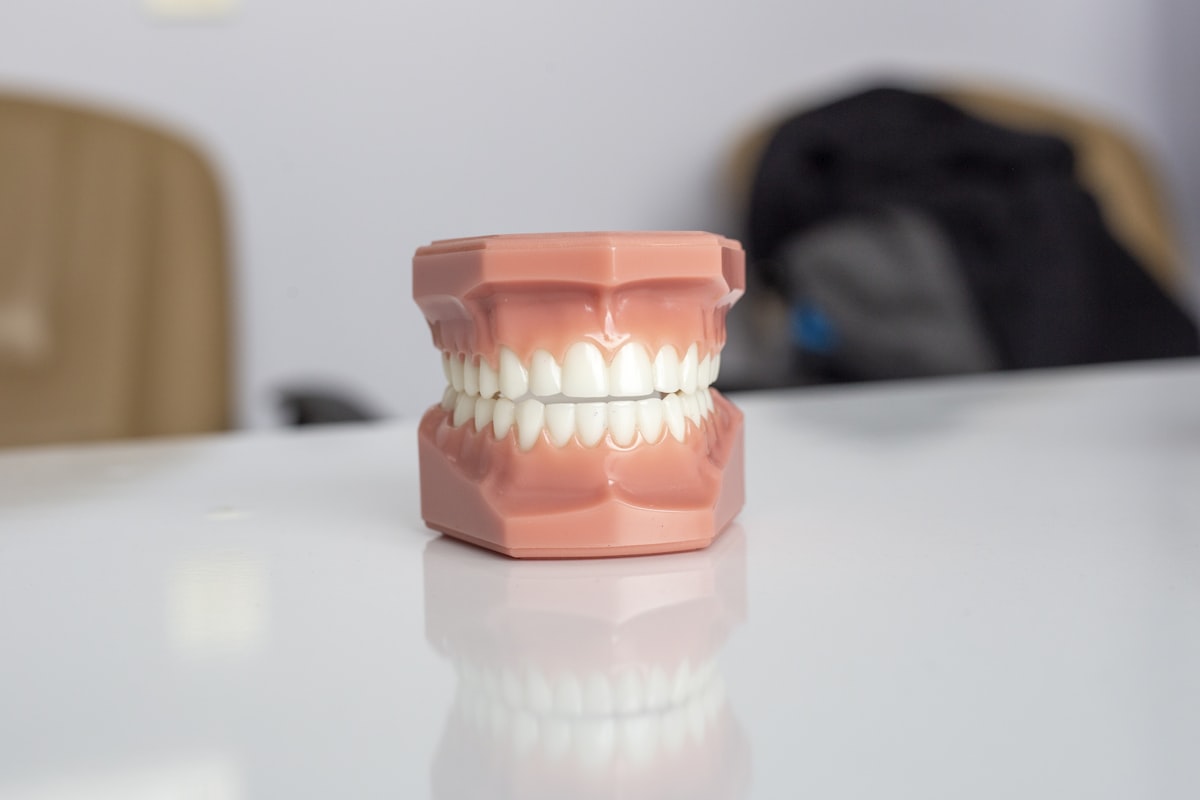
If you ask most oral surgeons why they recommend removing wisdom teeth before they become painful, the answer is usually straightforward. By the time a third molar hurts, swells, or causes a visible infection, the problem has often been developing quietly for months or years. Wisdom teeth removal is frequently preventive because these teeth have a habit of creating trouble before patients realize anything is wrong.
That point matters in a place like Oxnard, where many families try to coordinate dental care around school calendars, work demands, sports seasons, and insurance timing. People often search for Wisdom Teeth Removal Oxnard CA when they are already dealing with discomfort, a referral, or a child coming home from a checkup with panoramic X-rays and questions. Yet the better conversation often starts earlier, when the wisdom teeth are still asymptomatic and the choice is not about reacting to a crisis, but about preventing one.
Preventive removal does not mean every wisdom tooth must come out. Some people have enough space, healthy gum tissue, and a tooth position that lets them keep third molars for years without incident. But that is not the pattern most oral surgeons see day after day. More often, wisdom teeth are impacted, partly erupted, angled toward neighboring teeth, or positioned so far back that keeping them clean becomes unrealistic. In those situations, waiting can be the riskier path.
The problem with wisdom teeth is often anatomical, not personal
Wisdom teeth are the last permanent teeth to develop and erupt, usually in the late teens or early twenties. Human jaws, however, do not always provide enough room for them. Many patients have a perfectly healthy mouth overall and still do not have the space to accommodate four additional molars. This is not a failure of hygiene or a sign that someone did anything wrong. It is usually just anatomy.
A panoramic X-ray often tells the story quickly. The lower wisdom teeth may be leaning forward into the second molars. The upper wisdom teeth may be high and tilted toward the cheek or trapped under bone. Sometimes the crowns have emerged through the gums while the roots remain partly embedded, creating a pocket around the tooth that traps bacteria and debris. A patient can feel absolutely fine and still have a setup that experienced clinicians recognize as unstable over time.
That is one reason preventive removal is so common. The recommendation is based less on what the patient feels that day and more on what the tooth’s wisdom teeth surgery Oxnard CA position suggests is likely to happen later. Dentists and oral surgeons spend a great deal of time reading risk before symptoms appear. In wisdom tooth cases, that foresight matters.
Pain is a late signal
Many people assume that if wisdom teeth are not hurting, they are not causing trouble. In practice, pain is an imperfect guide. Some impacted teeth remain silent while damaging the tooth next to them. Others cause intermittent episodes of inflammation that settle down for a few weeks, only to flare again. Patients sometimes describe a pattern where the back of the jaw feels sore, then normal, then tender once more after chewing or during a period of stress and clenching.
One of the most common early problems is pericoronitis, an inflammation or infection in the gum tissue over a partially erupted lower wisdom tooth. Food and bacteria collect under a small flap of gum that is difficult to clean. At first, it may feel like a minor annoyance, a little tenderness when brushing or a bad taste in the back of the mouth. Then swelling sets in, chewing becomes uncomfortable, and opening the jaw can feel tight. In some cases, the infection spreads enough to require urgent care, antibiotics, and prompt extraction.
The issue is not just the temporary pain. Recurrent inflammation can make the eventual procedure more complicated and the recovery less pleasant. Removing a wisdom tooth in a controlled setting, when the tissues are calm and the patient can plan ahead, is usually easier than operating in the middle of an active infection.
The second molar often pays the price
When oral surgeons talk about prevention, they are not focused only on the wisdom tooth itself. They are often trying to protect the tooth in front of it, the second molar, which is far more valuable in everyday function.
A lower wisdom tooth that leans forward can press against the back of the second molar for years. That contact may create a spot where plaque accumulates and decay develops in an area that is hard to detect and hard to restore. In some cases, the damage extends below the gumline and becomes difficult or impossible to fix predictably. It is a frustrating situation because the patient may lose or compromise a healthy, useful molar due to a neighboring wisdom tooth that was never likely to function well in the first place.
The same applies to periodontal damage. Even without a cavity, an impacted wisdom tooth can contribute to bone loss or gum defects behind the second molar. Once that support is lost, it may not fully return. Preventive extraction is often recommended because preserving the second molar is a much better long-term investment than defending a poorly positioned third molar.
This is one of the less visible reasons people seek Wisdom Teeth Removal Oxnard CA after a routine dental referral. The urgency is not always dramatic pain. Sometimes it is a dentist pointing to a radiograph and saying, in effect, this is still manageable now, but it may not stay that way.
Age changes the calculus
Timing matters with wisdom teeth. Younger patients often heal faster and more predictably than older adults. The roots of the wisdom teeth may be incomplete in the mid to late teen years, the surrounding bone is often less dense, and recovery tends to be smoother. None of that guarantees an easy experience, but it shifts the odds in a favorable direction.
By the late twenties, thirties, or beyond, wisdom teeth can be more deeply anchored. Bone density changes, roots are fully formed, and the teeth may be closer to important structures such as the inferior alveolar nerve in the lower jaw or the maxillary sinus in the upper jaw. Patients also tend to have more cumulative inflammation, more decay risk, and more established periodontal concerns by that point.
That does not mean adults should fear the procedure or assume they waited too long. Adults have wisdom teeth removed successfully every day. It does mean that when a clinician recommends extraction at eighteen instead of thirty-eight, the recommendation is often grounded in practical surgical judgment. Earlier removal can be simpler than delayed removal after problems develop.
Not every impacted tooth becomes an emergency, but many become a maintenance burden
There is a gray area in wisdom tooth care that often gets overlooked. A third molar does not have to become acutely infected to be a bad long-term keeper. Sometimes it simply becomes a chronic maintenance problem.
The tooth may erupt just enough to create a trap for food but not enough to function in chewing. The gum tissue may stay mildly irritated. The patient may need frequent special cleaning in that area and still struggle to brush or floss effectively. Dentists may monitor the site year after year, noting a pocket that is difficult to manage or recurring gum inflammation that never quite resolves.
In these cases, preventive removal is not about avoiding a dramatic catastrophe. It is about recognizing that the tooth contributes little and demands a lot. When the ongoing burden outweighs the benefit, extraction becomes a sensible preventive choice.
What dentists and oral surgeons look for before recommending removal
The decision to remove wisdom teeth should not rest on habit alone. A thoughtful recommendation takes into account the patient’s age, symptoms, X-rays, oral hygiene, risk of decay, gum health, and the actual position of the teeth. Clinicians also consider whether the teeth are likely to erupt into a useful, cleanable position or remain partly trapped.
Several findings often push the recommendation toward preventive extraction:
- partial eruption with repeated gum inflammation
- impaction against the second molar
- decay in the wisdom tooth or the adjacent molar
- cystic changes or other radiographic abnormalities around the tooth
- a position that makes effective cleaning unrealistic long term
Those factors do not all carry the same weight. A fully bony impacted tooth in a stable position may be observed in some adults, especially if it has remained unchanged for years and sits far from the second molar. A partially erupted tooth with recurrent inflammation is another story entirely. Good judgment lies in distinguishing the low-risk monitor from the likely future problem.
Why “wait and see” sometimes works, and sometimes does not
Patients are often told there are two broad options: remove the wisdom teeth now, or watch them over time. Both approaches can be reasonable, depending on the situation. The challenge is that “watching” only works if the risk is genuinely low and the follow-up is consistent.
Monitoring should include periodic exams and imaging when indicated, not just a vague plan to address the problem if pain shows up later. A silent cavity behind the second molar can advance without fanfare. Bone loss can progress subtly. A cyst associated with an impacted tooth is uncommon, but when it occurs, it may be found on imaging rather than through symptoms.
There is also the human side of watchful waiting. People move, change insurance, get busy, or skip dental visits when life becomes crowded. What starts as active monitoring can turn into passive neglect without anyone intending it. For a low-risk tooth in a reliable patient, observation may be entirely reasonable. For a higher-risk tooth in a patient unlikely to maintain regular follow-up, preventive extraction may be the safer path.
The Oxnard factor: planning around real life
In communities like Oxnard, practical timing shapes dental decisions more than people sometimes realize. Students often schedule procedures during school breaks. Young adults home from college may try to fit surgery into a short window. Working parents need enough recovery time to arrange childcare, meals, and transportation. Agricultural, service, and healthcare workers may have limited flexibility for unplanned downtime.
That is another reason prevention matters. When wisdom teeth are removed electively, the patient can plan for a recovery period of several days, adjust work responsibilities, and prepare with soft foods, ice packs, medications, and help at home. When removal happens because of an infection, swelling episode, or sudden pain before a major event, the experience is rarely as orderly.
Preventive care often looks less dramatic from the outside, but it usually offers more control. Instead of reacting to a flare-up right before finals, vacation, or a busy season at work, the patient addresses the issue on stable terms.
What recovery tends to look like when the procedure is done before complications develop
Most wisdom tooth recoveries follow a predictable pattern, especially in younger, healthy patients having elective removal. The first twenty-four to seventy-two hours usually bring the most swelling and soreness. By the end of the first week, many patients feel substantially better, though the exact course depends on how impacted the teeth were, whether all four were removed, and individual healing patterns.
Patients often do best when they treat recovery like a short, real medical event rather than a minor inconvenience. Rest helps. Hydration helps. Following the postoperative instructions closely helps more than almost anything else. People who try to jump back into workouts, crunchy foods, or a packed schedule too soon often discover that the mouth has its own timetable.
The contrast with delayed treatment can be meaningful. A patient who arrives with inflamed tissue, limited jaw opening, or an active infection may face more discomfort before surgery, more swelling afterward, and a generally rougher experience. That is not universal, but it is common enough that clinicians try to avoid it when they can.
Questions worth asking before deciding
Patients should feel comfortable asking why removal is being advised now rather than later. The answer should be specific. A useful consultation usually explains the position of each wisdom tooth, the main risk to nearby teeth or gum tissue, the expected level of surgical difficulty, and whether observation is a reasonable alternative.
A good discussion often includes these questions:
- Are the wisdom teeth impacted, partially erupted, or likely to erupt normally?
- Is there evidence of damage to the second molars or surrounding bone?
- What changes on the X-ray make this preventive rather than elective in the casual sense?
- Would waiting six to twelve months materially change the risk?
- How might my age affect healing and surgical difficulty?
These conversations matter because preventive extraction is still surgery. It should be recommended thoughtfully, not casually. Most patients are more comfortable moving forward when they understand that the goal is not to remove teeth by default, but to avoid more complex problems later.
The exceptions deserve respect
There are patients who keep their wisdom teeth without trouble. Some have fully erupted third molars that align well, clean well, and function like any other molar. Others have impacted wisdom teeth that remain stable and harmless for long periods under observation. It would be inaccurate to suggest that every wisdom tooth is a ticking problem.
The better statement is this: many wisdom teeth carry a risk profile that makes prevention the more prudent choice. The recommendation depends on the anatomy, the neighboring teeth, the patient’s age, and the likelihood that the area can remain healthy over time.
This is where clinical judgment matters most. A thoughtful oral surgeon does not remove wisdom teeth because the calendar says a person is eighteen. They recommend removal when the pattern of eruption, impaction, hygiene limitation, or adjacent tooth risk makes future trouble more likely than not.
Why preventive removal is often the more conservative choice
At first glance, surgery may not seem like the conservative option. But in dentistry, conservative care is not always the least immediate intervention. Sometimes it is the action that preserves the most health over the long run.
Removing a poorly positioned wisdom tooth before it damages the second molar is conservative. Removing a partially erupted tooth before repeated infections scar the tissue and disrupt daily life is conservative. Removing third molars while roots are less developed and healing is generally easier can also be conservative, especially compared with waiting until the procedure becomes more difficult.
That is the core reason Wisdom Teeth Removal Oxnard CA is so often discussed in preventive terms. The goal is not simply to extract teeth. The goal is to protect healthy structures, reduce the chance of urgent problems, and choose timing that favors a safer, more predictable outcome.
For patients and parents weighing the decision, the right question is often not “Do these teeth hurt today?” It is “What is the most likely future of these teeth if we leave them alone?” Once that question is answered honestly, the preventive logic behind wisdom teeth removal becomes much clearer.
Oxnard Dentistry
1730 E Gonzales Rd
Oxnard, CA 93036, United States
Phone: +1 805-307-8731
FAQ About Wisdom Teeth Removal Oxnard CA
How much does it cost to get wisdom teeth removed in California?
Fees depend on tooth position, the number of extractions, imaging and anesthesia. Oxnard Dentistry can provide an individual estimate after examining your teeth. Ask for an itemized plan and confirm insurance benefits before scheduling.
Will insurance cover wisdom teeth removal?
Coverage and out-of-pocket costs vary by policy and the treatment required. Ask the dental office and your insurer to verify benefits, annual limits and any authorization requirements. A benefit estimate does not guarantee payment.
Is 30 too old to have wisdom teeth removed?
Age alone does not determine whether extraction is appropriate. A dentist evaluates symptoms, tooth position, oral health and medical history. Healthy, functional wisdom teeth may be monitored; teeth causing disease or other problems may need treatment.