How to Recognize Infection Risks Before Wisdom Teeth Removal in Oxnard CA
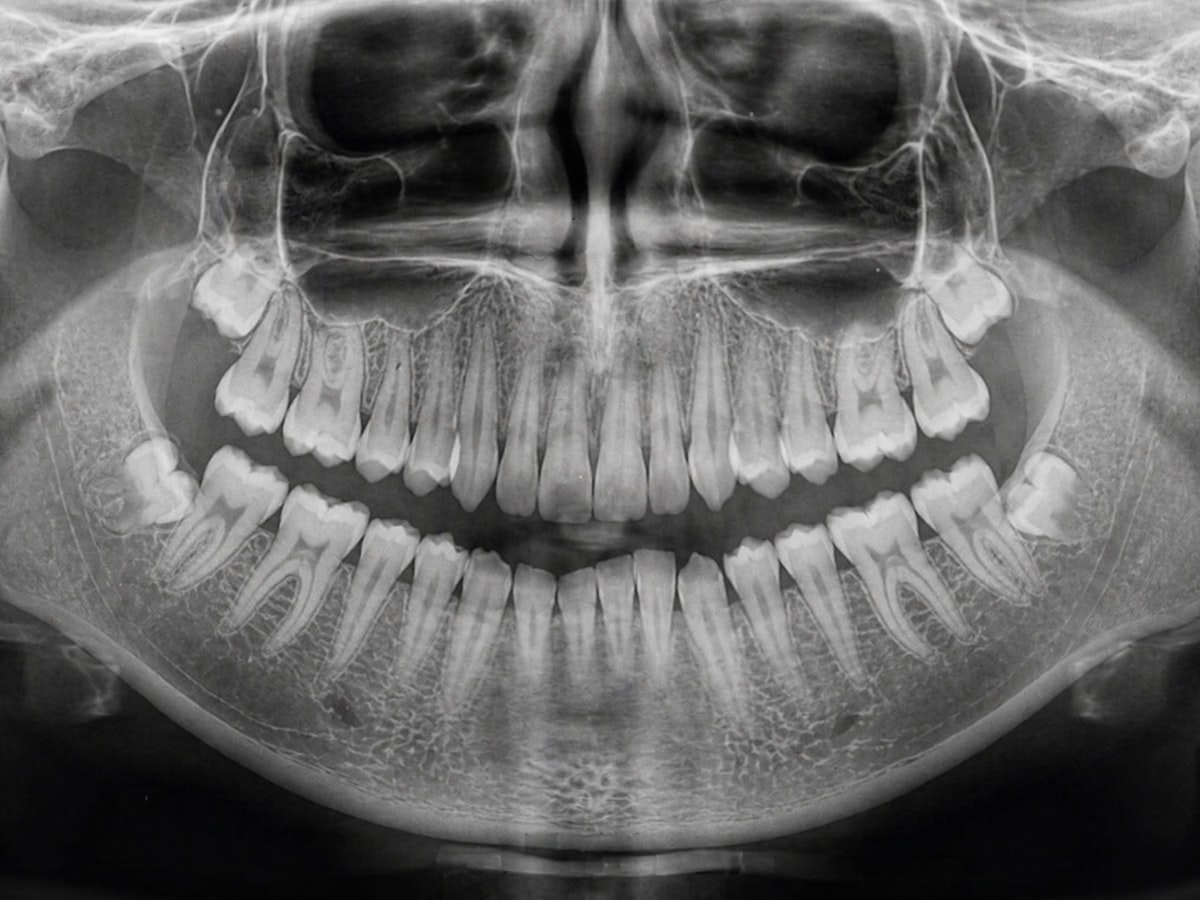
Wisdom teeth rarely cause trouble all at once. More often, problems build quietly. A little tenderness behind the molars, a gum flap that traps food, bad breath that lingers even after brushing, pressure that comes and goes. By the time a patient decides to schedule treatment, the question is not only whether the wisdom teeth should come out, but whether infection is already part of the picture.
That matters because an extraction planned around healthy tissue is usually more straightforward than one performed in the middle of an active infection. In some cases, removing the tooth promptly is still the right call. In others, the surgeon may want to calm the area first, reduce swelling, or prescribe medication before moving ahead. The key is recognizing the warning signs early enough to avoid an urgent, painful situation.
For anyone considering Wisdom Teeth Removal Oxnard CA, understanding infection risk before surgery helps you ask better questions, prepare properly, and avoid preventable complications. It also helps separate routine soreness from symptoms that deserve prompt evaluation.
Why infection risk deserves attention before surgery
Wisdom teeth sit in one of the most difficult areas of the mouth to clean. They often erupt only partially, lean toward adjacent teeth, or stay trapped under the gums. Each of those patterns can create small pockets where bacteria collect. Once debris and bacteria settle around a partially erupted third molar, inflammation can flare quickly.
Clinically, one of the most common patterns is pericoronitis, which is inflammation and infection around a partially erupted wisdom tooth. Patients often describe it as a swollen flap of gum over the back tooth that hurts when chewing. Food packs under that tissue, the area becomes tender, and opening the mouth may start to feel restricted. Left alone, a minor irritation can become a significant infection.
Preoperative infection also affects planning. Swollen tissues can make local anesthesia less predictable. Limited jaw opening can make access more difficult. If infection has spread into the surrounding spaces, treatment decisions become more urgent and more nuanced. That does not mean every infected wisdom tooth is dangerous, but it does mean it should be assessed carefully rather than ignored.
The local anatomy makes small problems grow fast
The back corners of the lower jaw are not forgiving. Saliva, food particles, and oral bacteria all move through a warm, moist environment with limited visibility. When a wisdom tooth erupts only halfway, the remaining gum tissue acts like a pocket. A toothbrush often cannot reach under it effectively. Water flossers can help, but if the tooth is positioned awkwardly, hygiene still becomes a daily challenge.
Upper wisdom teeth can https://spencerfeah500.lowescouponn.com/why-wisdom-teeth-removal-in-oxnard-ca-is-often-preventive also cause trouble, though lower ones tend to create more dramatic symptoms. A partially erupted upper third molar may rub the cheek or collect plaque along the gumline. In some patients, a lower wisdom tooth presses against the second molar, damaging the neighboring tooth or creating a hidden cavity between them. That is one reason a patient may show up for a consultation saying, “My wisdom tooth does not hurt much,” while the dentist finds infection or decay affecting the tooth in front of it.
Early clues patients often miss
The first signs of infection are not always severe pain. In practice, people frequently dismiss the earliest symptoms because they seem inconsistent or mild. A sore jaw after chewing can feel like stress. A bad taste can seem like a hygiene issue. Slight swelling may disappear for a day and then return.
A useful rule is to pay attention to recurring symptoms in the same spot. If the tissue behind the last visible molar repeatedly gets puffy, bleeds when touched, or feels irritated after meals, that pattern matters. The body is telling you the area is not self-cleaning well and may already be inflamed.
The following symptoms deserve attention, especially when they cluster together:
- swelling of the gum behind the last molar, especially if it feels warm or looks red
- pain when chewing, swallowing, or opening the mouth wide
- bad taste, foul breath, or pus draining from the area
- swollen lymph nodes under the jaw or tenderness along the side of the face
- fever, fatigue, or facial swelling that seems to be increasing
One symptom alone does not always mean infection. Mild tenderness after a hard meal, for example, can simply be irritation. But if two or three of these signs appear together, the chance of an active infection rises enough that it is worth calling a dental office rather than waiting it out.
What infection looks like in real life, not just on paper
Patients often expect infection to look dramatic from the start. Sometimes it does. A visibly swollen cheek, throbbing pain, and trouble sleeping are classic signs. But some infections present in a quieter way.
A college student might notice that her jaw feels stiff in the morning, then normal by midday. A working parent may complain that food keeps getting “stuck in the back” and leaves a bitter taste for hours. Another person may say the area hurts only when they bite down on one side. These are not small details. They are the kinds of clues oral surgeons hear every week, and they help distinguish a crowded wisdom tooth from one that has moved into an inflammatory cycle.
I have also seen patients delay care because the pain disappears after rinsing with warm salt water. That temporary relief can be misleading. Salt water may soothe inflamed tissue and wash away debris, but it does not solve the mechanical problem if the tooth remains partially trapped under the gum.
The role of imaging and examination
A proper evaluation does more than confirm that wisdom teeth are present. It looks at eruption pattern, gum condition, bone level, and the relationship of the roots to important structures. A panoramic radiograph is commonly used because it shows all four wisdom teeth, the jawbones, and nearby nerves in one image. In selected cases, a three-dimensional scan may be recommended if the roots appear close to the inferior alveolar nerve or if the anatomy looks unusual.
Imaging can reveal risk that the patient cannot feel yet. A tooth may be angled into the second molar, collecting debris in an inaccessible contact area. A lower wisdom tooth may be partially erupted on the gum side while still blocked by bone below. An upper tooth may have room to emerge but be impossible to clean properly because of its position.
Still, the image is only part of the story. Soft tissue findings matter just as much. A surgeon will look for gum inflammation, drainage, pocketing, ulceration, and how widely you can open. They will ask whether pain is constant or triggered, whether the area has flared before, and whether symptoms improve between episodes. Those details help determine whether the site is calm enough for planned surgery or whether infection should be brought under control first.
Conditions that increase the chance of infection before removal
Some mouths are simply more prone to problems around wisdom teeth. Limited space is an obvious factor, but not the only one. Partially erupted lower wisdom teeth are the most common setup for infection because they create an entry point for bacteria without fully clearing the gumline.
Several other issues can raise risk as well:
- a history of repeated gum swelling around the same wisdom tooth
- difficulty cleaning the area because of gag reflex, crowding, or jaw stiffness
- smoking or vaping, which can irritate oral tissues and affect healing
- uncontrolled diabetes or other conditions that affect immune response
- an adjacent cavity or food trap between the wisdom tooth and second molar
Patients do not need to diagnose these factors on their own. The value lies in recognizing that infection is rarely random. There is usually a structural reason it keeps returning.
Timing matters more than most people think
When a wisdom tooth causes periodic infection, many patients hope to schedule removal only when life quiets down. That is understandable. Work deadlines, school calendars, childcare, travel, and insurance timing all shape health decisions. But repeated flare-ups tend to become less predictable over time, not more.
A wisdom tooth that becomes inflamed every six months may eventually start flaring every few weeks. The surrounding gum can thicken, trap more debris, and become easier to traumatize. Meanwhile, the neighboring second molar absorbs the consequences. By the time the patient seeks care, the original problem may have expanded from “annoying swelling in the back” to decay or bone loss affecting an important tooth beside it.
From a practical standpoint, the best time for Wisdom Teeth Removal Oxnard CA is often before the area becomes a recurring emergency. Planned treatment usually gives the surgeon more options and gives the patient a smoother recovery window.
When an infection changes the surgical plan
Patients sometimes assume infection always delays surgery. That is not universally true. In some cases, removing the tooth is part of resolving the infection, especially if the source is localized and the patient can tolerate the procedure safely. In other cases, severe swelling, trismus, or diffuse facial involvement makes it wiser to reduce the acute infection first.
The distinction depends on several factors. If the infection is limited to the gum around a partially erupted tooth and the airway is unaffected, extraction may still be feasible. If swelling has spread, if the patient cannot open enough for safe access, or if there are systemic symptoms like fever and malaise, the clinician may prioritize stabilization before definitive surgery.
That judgment is why self-treatment can be risky. Over-the-counter pain relief may mask progression. Leftover antibiotics from a prior illness are especially problematic. They may be the wrong drug, the wrong dose, or only enough to blunt symptoms without clearing the infection. That partial suppression can create a false sense of improvement.
The difference between irritation, inflammation, and infection
Not every sore wisdom tooth is infected. The distinction matters because treatment recommendations can differ.
Simple irritation may come from cheek biting, a sharp food edge, or pressure during eruption. It tends to be short-lived and not associated with swelling, drainage, or foul taste. Inflammation is a step further. The tissue becomes red, puffy, and tender, often because plaque and food collect around the area. Infection usually involves bacterial overgrowth significant enough to produce pus, spreading tenderness, persistent bad breath, fever, or swollen glands.
Those categories can overlap. A mildly inflamed gum flap can become infected in a day or two if the area remains trapped and contaminated. That is why a clinician often asks when symptoms started and whether they have happened before. A single sore episode after popcorn is one story. The same pain returning every few weeks with increasing swelling is another.
Warning signs that call for prompt care, not watchful waiting
There is a difference between “schedule a consult soon” and “get evaluated now.” If facial swelling is progressing, if swallowing becomes painful, if you cannot open your mouth normally, or if fever enters the picture, the threshold for urgent care is lower. Dental infections in the lower jaw can spread into deeper tissue spaces. That is not common in routine cases, but it is the scenario clinicians work to prevent.
People often ask how much swelling is too much. There is no universal measurement, but changes that are visible externally, make speech or chewing more difficult, or worsen over hours rather than days deserve prompt attention. The same applies to a bad taste that suddenly becomes constant or to pain that starts waking you at night.
What to do before your consultation if infection seems likely
If you suspect a wisdom tooth infection, the immediate goal is to keep the area as calm and clean as possible until you are seen. Gentle warm salt water rinses can help loosen debris and reduce irritation. Careful brushing around the area, without aggressively poking the gum, is worthwhile. Hydration matters. So does avoiding smoking, which tends to aggravate inflamed tissue.
Soft foods are often easier during a flare because crunchy fragments can wedge under the gum flap and restart the cycle. Ibuprofen or acetaminophen may reduce pain for many adults, assuming those medications are safe for you based on your medical history and other prescriptions. If the pain persists despite that, or if symptoms are escalating, that is another clue the issue needs professional attention.
What not to do is just as important. Do not place aspirin directly on the gums. Do not use sharp objects to “clean out” the area. Do not assume mouthwash alone will fix a trapped tooth. And do not wait for severe swelling to confirm that the problem is real.
Why local context in Oxnard can shape the decision
Oxnard patients often lead active schedules, and that practical reality influences timing. Agricultural work, hospitality, healthcare shifts, school schedules, and commuting patterns can make it tempting to postpone care until a major flare forces action. Coastal climate itself does not cause wisdom tooth infection, but local lifestyle factors can affect how quickly someone seeks treatment. People who rely on being able to speak comfortably, wear a mask for long work hours, or perform physically demanding jobs may notice the impact of jaw pain sooner.
Access matters too. When a patient searches for Wisdom Teeth Removal Oxnard CA, the best outcome usually comes from finding a practice that can evaluate not only whether the teeth need to come out, but whether infection is already changing the urgency or complexity of care. That means looking for a thorough exam, clear imaging review, and specific instructions tailored to the current condition of the mouth, not generic advice.
Questions worth asking at the consultation
A strong consultation should leave you with a clear sense of whether the wisdom teeth are merely impacted, actively infected, or causing damage to nearby teeth. It should also clarify whether surgery can proceed on schedule or whether the tissues should settle first.
Ask how many teeth are involved and whether one side looks more urgent than the other. Ask whether the second molars show signs of decay or bone loss. Ask what symptoms would mean the infection is worsening while you wait for surgery. If antibiotics are prescribed, ask what problem they are treating and whether extraction remains the definitive solution. Patients who understand the reasoning behind the plan tend to navigate the process with less anxiety and fewer last-minute surprises.
Aftercare starts before the extraction date
One practical truth about oral surgery is that recovery begins with preparation. If you go into surgery already run down, dehydrated, and unable to chew comfortably because of infection, the first days after removal tend to feel harder. By contrast, a patient who catches infection early, follows preoperative instructions, and arrives with the area reasonably controlled often recovers more predictably.
That preparation may include adjusting work obligations, arranging a ride if sedation is planned, filling prescriptions ahead of time, and stocking soft foods that do not crumble into the extraction sites. If infection was part of the reason for surgery, following every pre-op instruction becomes even more important. Small lapses, especially around hygiene, smoking, or missed medications, can complicate an already inflamed area.
The bottom line for patients noticing changes in the back of the mouth
Wisdom teeth do not need to be excruciating to be problematic. Recurrent gum swelling, foul taste, jaw stiffness, and food trapping around the back molars are often the early footprint of infection risk. The sooner those signs are evaluated, the more options you usually have.
For patients considering Wisdom Teeth Removal Oxnard CA, the most useful approach is simple: treat repeated symptoms as meaningful, not incidental. A thoughtful exam can tell the difference between a tooth that can be monitored briefly and one that is setting up the next painful flare. Recognizing infection before surgery is not about overreacting. It is about acting while the problem is still manageable, the treatment plan is still flexible, and the surrounding teeth and tissues have the best chance to stay healthy.
Oxnard Dentistry
1730 E Gonzales Rd
Oxnard, CA 93036, United States
Phone: +1 805-307-8731
FAQ About Wisdom Teeth Removal Oxnard CA
How much does it cost to get wisdom teeth removed in California?
Fees depend on tooth position, the number of extractions, imaging and anesthesia. Oxnard Dentistry can provide an individual estimate after examining your teeth. Ask for an itemized plan and confirm insurance benefits before scheduling.
Will insurance cover wisdom teeth removal?
Coverage and out-of-pocket costs vary by policy and the treatment required. Ask the dental office and your insurer to verify benefits, annual limits and any authorization requirements. A benefit estimate does not guarantee payment.
Is 30 too old to have wisdom teeth removed?
Age alone does not determine whether extraction is appropriate. A dentist evaluates symptoms, tooth position, oral health and medical history. Healthy, functional wisdom teeth may be monitored; teeth causing disease or other problems may need treatment.